
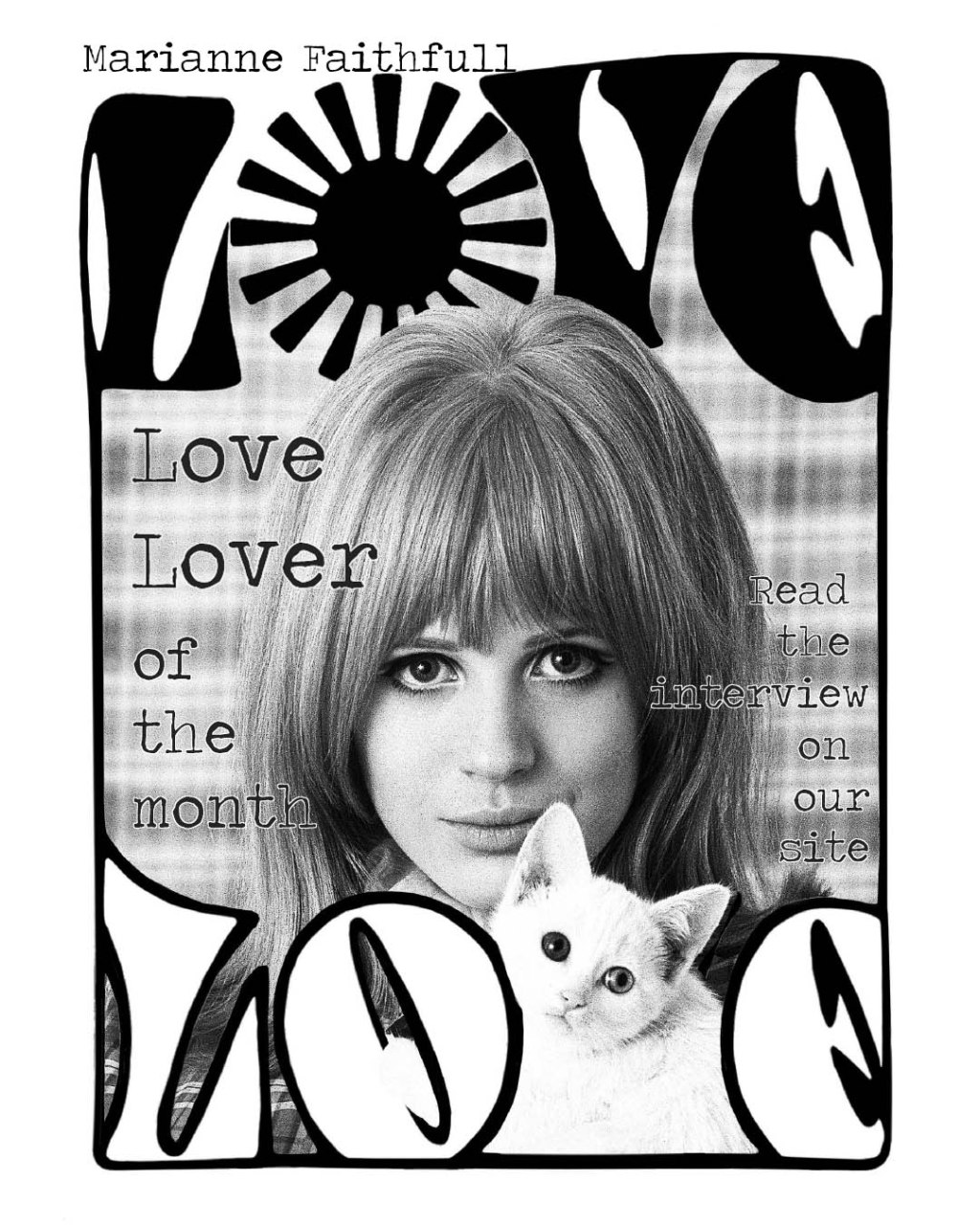
Love love is happy to launch our new feature – love lover of the month!
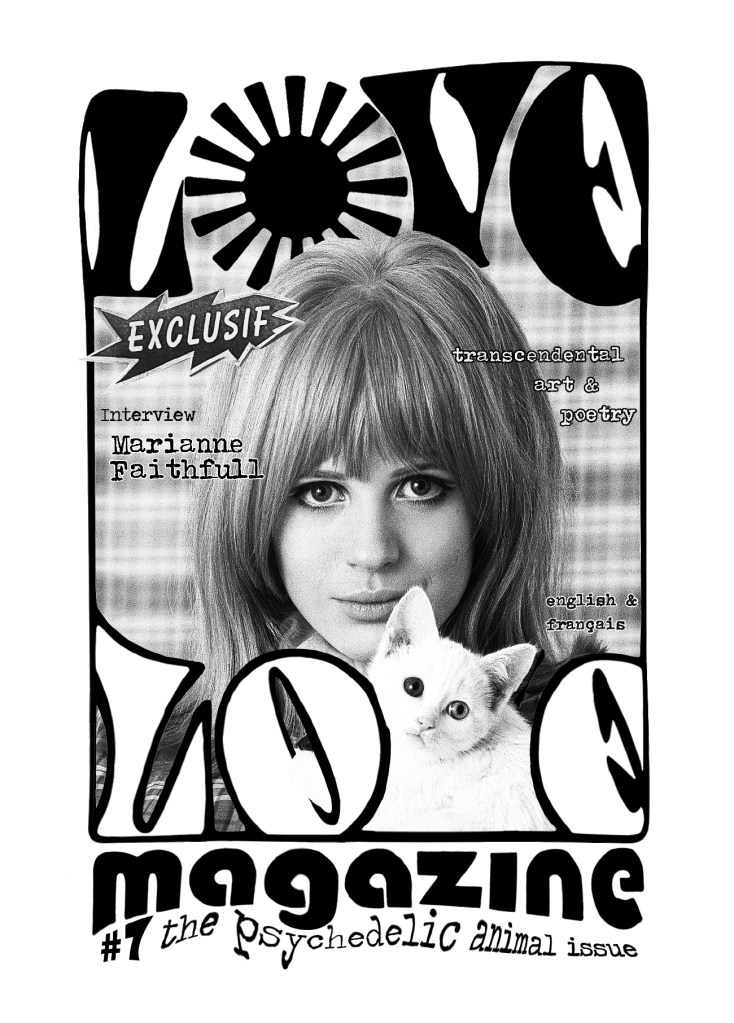
Every month Love Love will dig in our archives to present you with work from/or interviews with our Love Lovers that have been previously published in the paper magazine. Or new unedited work! For our very first Love Lover of the month of December we have chosen to share the interview with Marianne Faithfull in Love Love #7 – The Psychedelic Animal issue – for sale on our shop here.
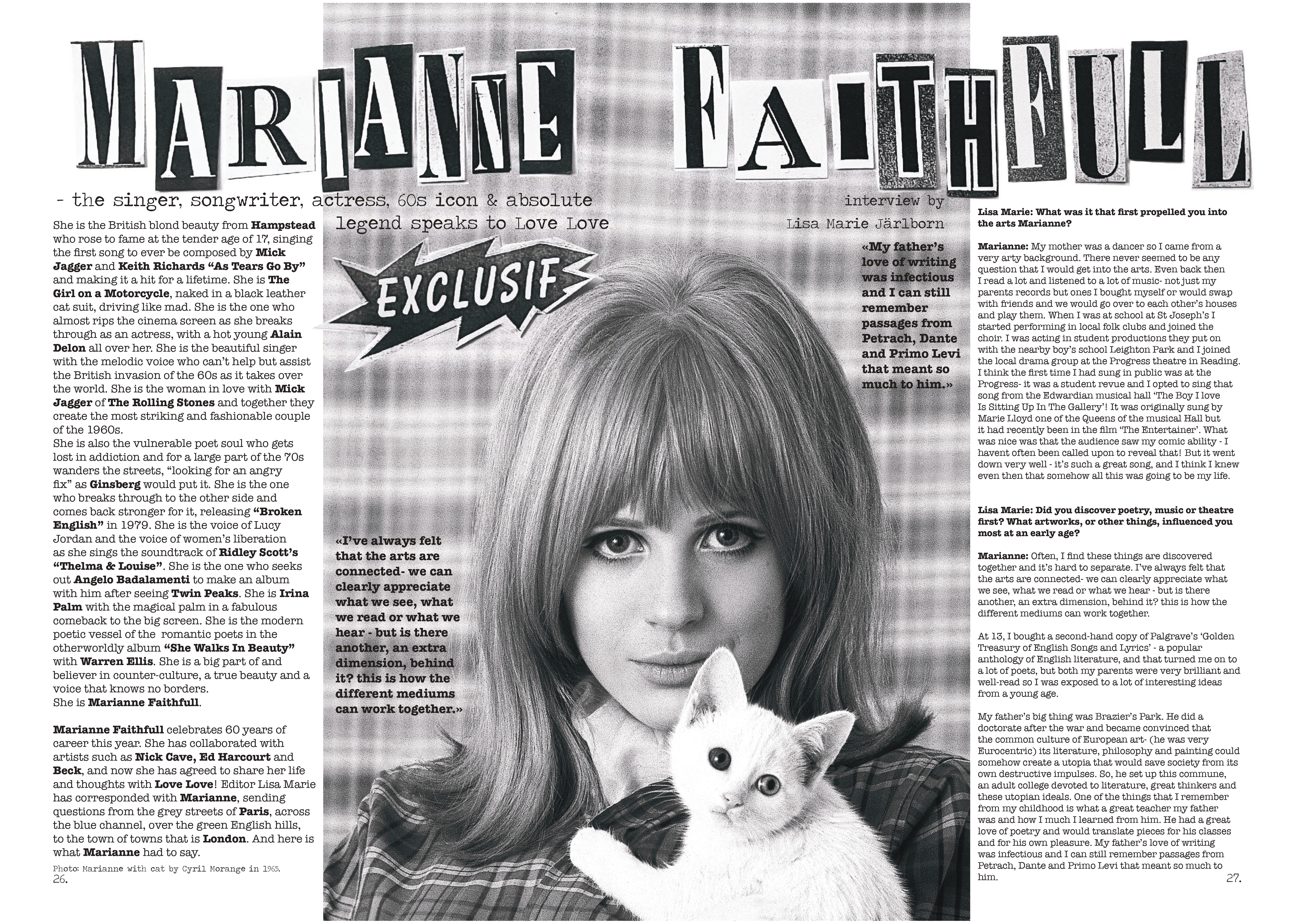
Marianne faithfull – the singer, songwriter, actress, 60s icon & absolute legend speaks to love love – interview by Lisa marie järlborn
She is the British blond beauty from Hampstead who rose to fame at the tender age of 17, singing the first song to ever be composed by Mick Jagger and Keith Richards “As Tears Go By” and making it a hit for a lifetime. She is The Girl on a Motorcycle, naked in a black leather cat suit, driving like mad. She is the one who almost rips the cinema screen as she breaks through as an actress, with a hot young Alain Delon all over her. She is the beautiful singer with the melodic voice who can’t help but assist the British invasion of the 60s as it takes over the world. She is the woman in love with Mick Jagger of The Rolling Stones and together they create the most striking and fashionable couple of the 1960s.
She is also the vulnerable poet soul who gets lost in addiction and for a large part of the 70s wanders the streets, “looking for an angry fix” as Ginsberg would put it. She is the one who breaks through to the other side and comes back stronger for it, releasing “Broken English” in 1979. She is the voice of Lucy Jordan and the voice of women’s liberation as she sings the soundtrack of Ridley Scott’s “Thelma & Louise”. She is the one who seeks out Angelo Badalamenti to make an album with him after seeing Twin Peaks. She is Irina Palm with the magical palm in a fabulous comeback to the big screen. She is the modern poetic vessel of the romantic poets in the otherworldly album “She Walks In Beauty” with Warren Ellis. She is a big part of and believer in counter-culture, a true beauty and a voice that knows no borders.
She is Marianne Faithfull.
Marianne Faithfull celebrates 60 years of career this year. She has collaborated with artists such as Nick Cave, Ed Harcourt and Beck, and now she has agreed to share her life and thoughts with Love Love! Editor Lisa Marie has corresponded with Marianne, sending questions from the grey streets of Paris, across the blue channel, over the green English hills, to the town of towns that is London. And here is what Marianne had to say.
Lisa Marie: What was it that first propelled you into the arts Marianne?
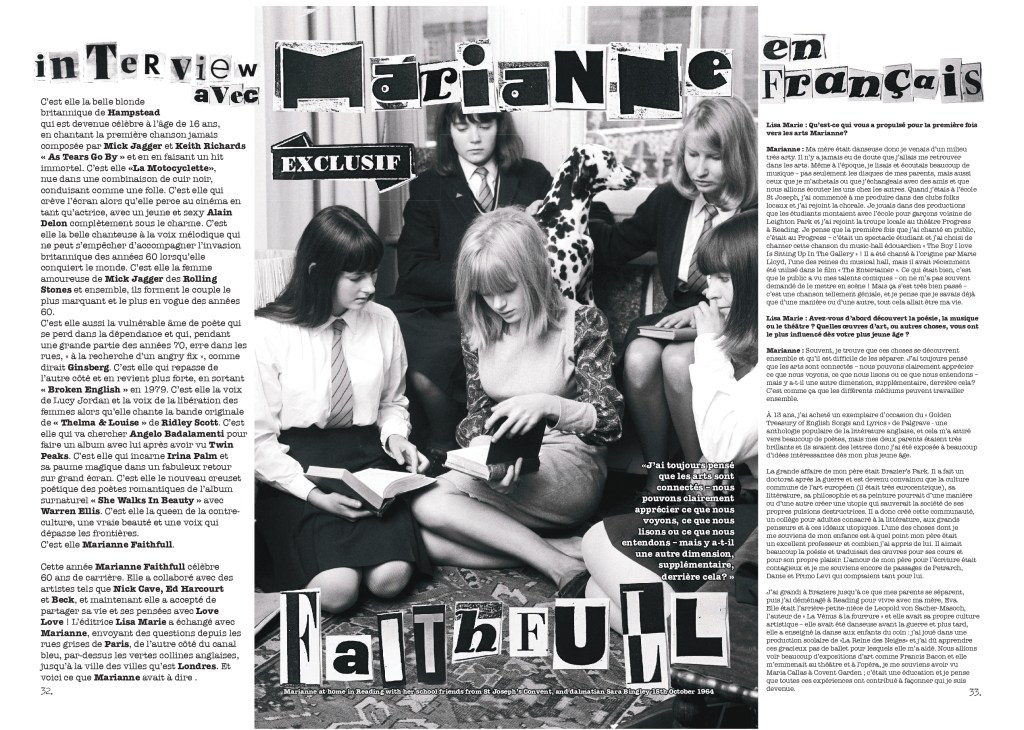
Marianne: My mother was a dancer so I came from a very arty background. There never seemed to be any question that I would get into the arts. Even back then I read a lot and listened to a lot of music- not just my parents records but ones I bought myself or would swap with friends and we would go over to each other’s houses and play them. When I was at school at St Joseph’s I started performing in local folk clubs and joined the choir. I was acting in student productions they put on with the nearby boy’s school Leighton Park and I joined the local drama group at the Progress theatre in Reading. I think the first time I had sung in public was at the Progress- it was a student revue and I opted to sing that song from the Edwardian musical hall ‘The Boy I love Is Sitting Up In The Gallery’! It was originally sung by Marie Lloyd one of the Queens of the musical Hall but it had recently been in the film ‘The Entertainer’. What was nice was that the audience saw my comic ability – I havent often been called upon to reveal that! But it went down very well – it’s such a great song, and I think I knew even then that somehow all this was going to be my life.
Lisa Marie: Did you discover poetry, music or theatre first? What artworks, or other things, influenced you most at an early age?
Marianne: Often, I find these things are discovered together and it’s hard to separate. I’ve always felt that the arts are connected- we can clearly appreciate what we see, what we read or what we hear – but is there another, an extra dimension, behind it? this is how the different mediums can work together.
At 13, I bought a second-hand copy of Palgrave’s ‘Golden Treasury of English Songs and Lyrics’ – a popular anthology of English literature, and that turned me on to a lot of poets, but both my parents were very brilliant and well-read so I was exposed to a lot of interesting ideas from a young age.
My father’s big thing was Brazier’s Park. He did a doctorate after the war and became convinced that the common culture of European art- (he was very Eurocentric) its literature, philosophy and painting could somehow create a utopia that would save society from its own destructive impulses. So, he set up this commune, an adult college devoted to literature, great thinkers and these utopian ideals. One of the things that I remember from my childhood is what a great teacher my father was and how I much I learned from him. He had a great love of poetry and would translate pieces for his classes and for his own pleasure. My father’s love of writing was infectious and I can still remember passages from Petrach, Dante and Primo Levi that meant so much to him.
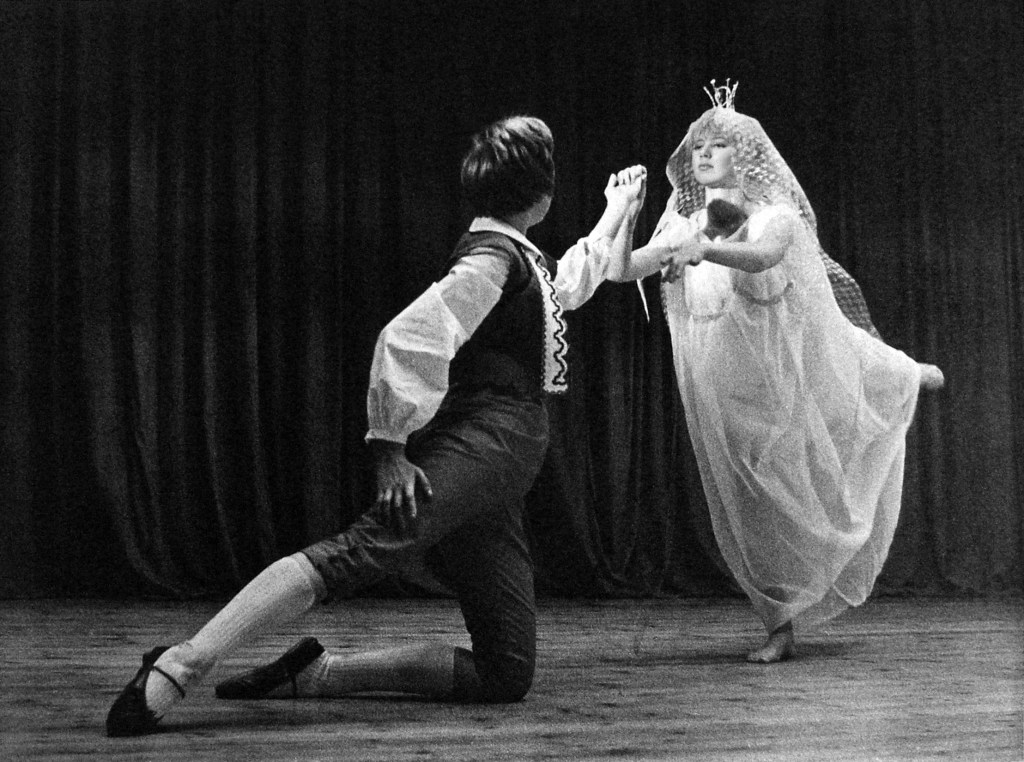
I grew up at Braziers until my parents separated then I moved to Reading to live with my mother, Eva. She was the great-grandniece of Leopold von Sacher-Masoch, author of ‘Venus in Furs’ and had her own artistic culture – she had been a dancer before the war and later she taught dance to local kids: I appeared in a school production of ‘The Snow Queen’ and had to learn these graceful balletic steps that she helped me with. We went to see a lot of art exhibitions like Francis Bacon and she would take me to the theatre and the opera, I remember seeing Maria Callas at Covent Garden; it was an education and I think all these experiences helped shape who I became.
Lisa Marie: I absolutely adore your album “She Walks in Beauty” with Warren Ellis. Apart from Shakespeare, my own love for poetry started with the Romantics and many of the poems you read are the ones I love the most, and have even learned by heart.
For you, what is it that you love about these poems? And why do you think they are relevant to the world today?
Marianne: ‘She Walks In Beauty’ was really a record looking back- not just to the poets of the past, but also over my own life. It’s not exactly nostalgic, but in some ways it was about going back to the beginning, to how it all began for me – my relationship with words. At school I had the most wonderful teacher, Mrs Simpson who I guess recognised the potential in me or just my interest in these poets – she made learning them such a delight. I was already a precocious little thing devouring all these books- Baudelaire, de Quincy, Wilde and I loved poetry so when I was studying the nineteenth century English poets for my A levels she was just so inspirational, and the album is really a celebration of that time in my life and things coming full circle.
I’m not sure if they are relevant today, that’s not the right word. But explorations of truth and beauty, love and death – the big issues! will always have the power to enthral new readers. If they remain relevant it’s only in so far as they connect with your own experiences and emotional understanding.
Lisa Marie: Apart from the arts, what can inspire you in daily life and in your surroundings?
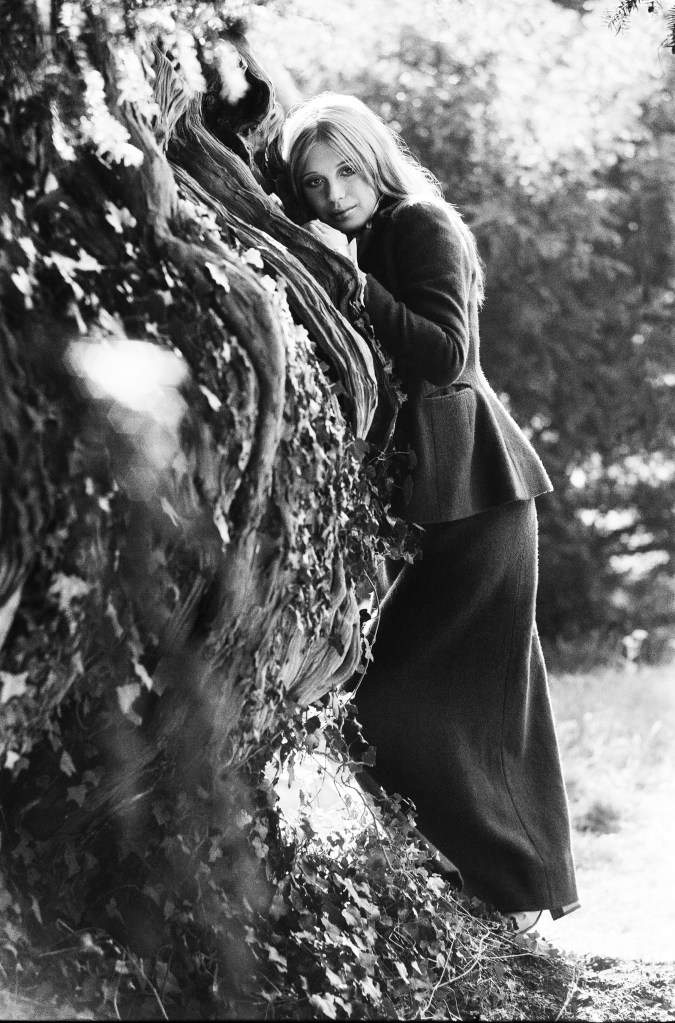
Marianne: The beauty of nature. There is a lovely garden where I’m living now and I like going out and sitting in it with friends – and people, I do have wonderful arty friends and they inspire me.
Lisa Marie: Do you still write songs, poems or keep a diary perhaps? Or do you find creative outlet in other art forms or expressions at the moment?
Marianne: Yes, I do still write. I don’t keep a diary, but I’m working on some new songs at the moment which we will be releasing next year for my 60th anniversary. Appropriately enough I’ve written one called ‘Love Is’ with my grandson Oscar …
Lisa Marie: This issue of Love Love is themed “The Animal”, which can be interpreted in many ways. Many artists share their artworks and poetry inspired by animal companions.
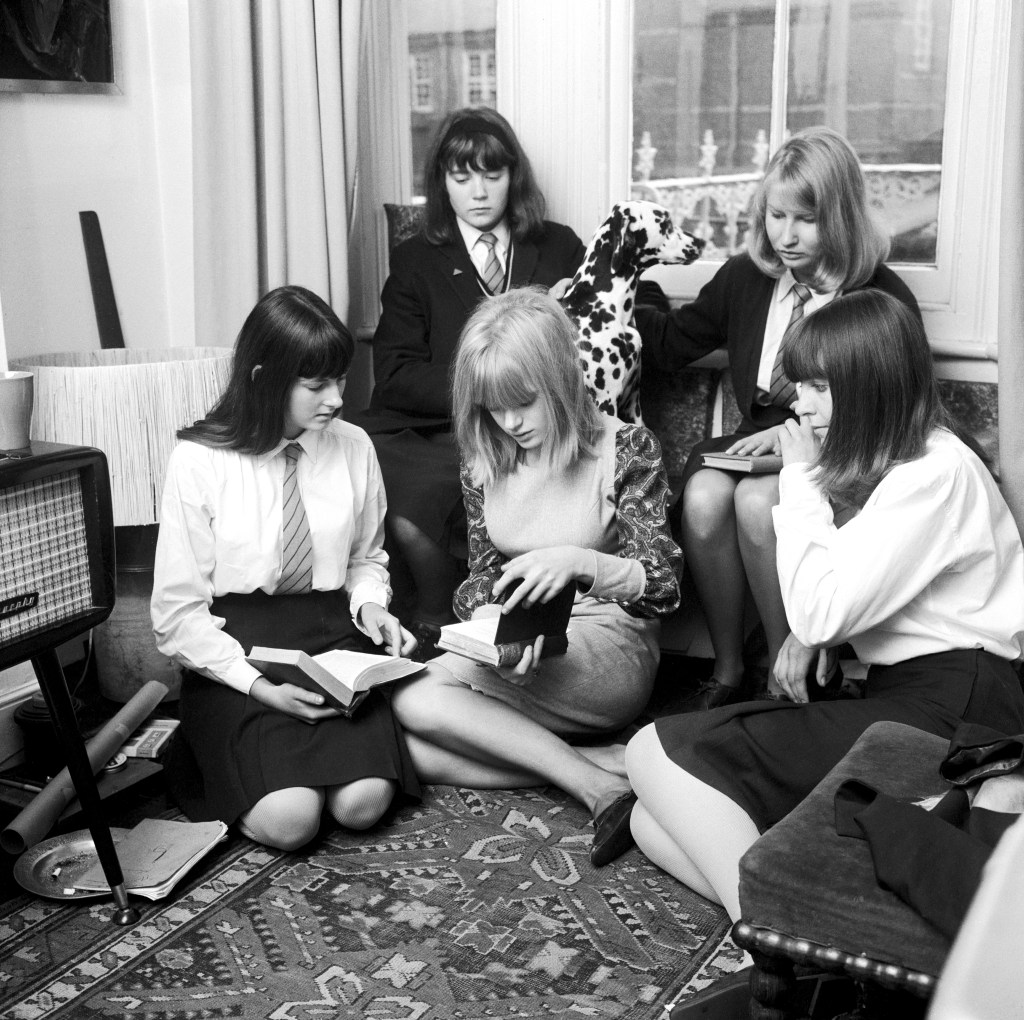
Your Dalmatian Sara Bingley became famous when photographed with you in the mid 6Os as you were emerging as a young singer.
Would you share a little something about Sara?
Marianne: Sara was great – I adored her- she was one of the best dogs I’ve ever known; my faithful companion! She could be like her mistress – a bit neurotic and naughty! but I adored her and we went through a lot together. There is a lovely photo of us where I’m wearing my new Mary Quant Herringbone Tweed suit- sadly it became a casualty of Sara’s playful side – she chewed it up! Sarah lived to a ripe old age, passing in 1976 – she was buried out at my mother’s old home Yew Tree Cottage – her final resting place marked with a little headstone.
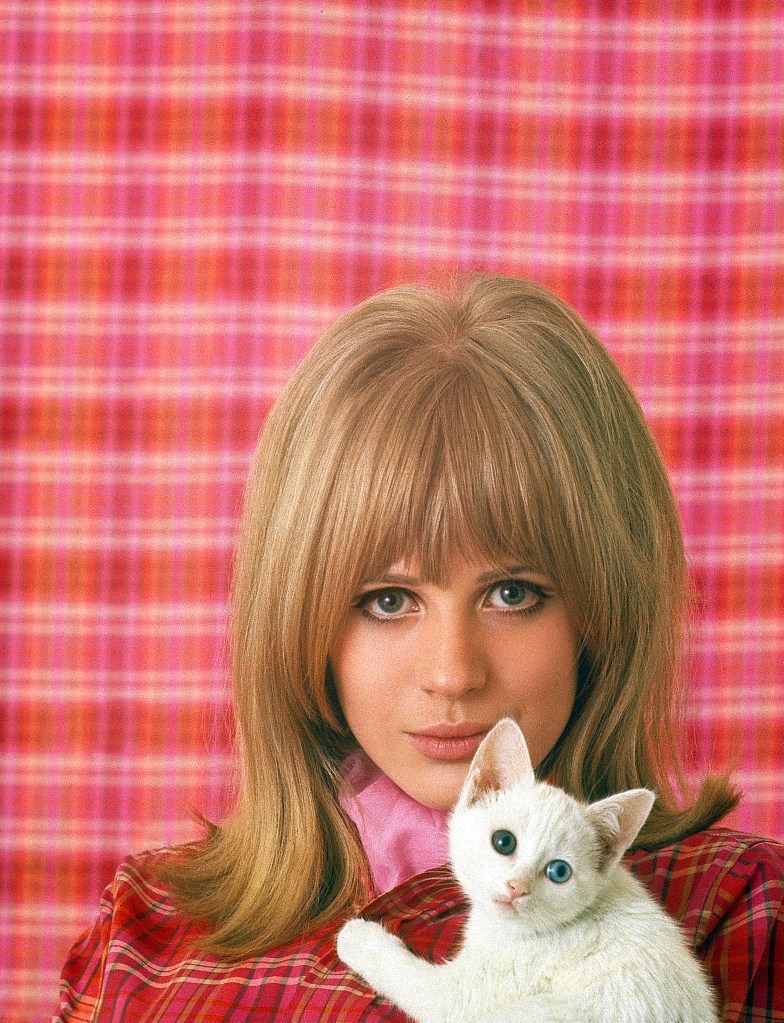
I also used to have a pet cat called Holmes (pronounced Holmez) I had him from when he was a tiny ginger kitten. As soon as I took him home he got stuck behind the kitchen stove!
Lisa Marie: The animal theme also leads me to think of Angelo Badalamenti. Probably because of the importance of the forest and the mysterious owls in “Twin Peaks”.
You made an album with Badalamenti.
What was that collaboration like?
Marianne: He was wonderful! We were meant to work together. I had seen ‘Blue Velvet’ but it was actually ‘Twin Peaks’ that lead me to him. I needed to do something different and I’d had this idea to do a sort of cinematic soundtrack album – interior dialogues, strings, a real mood piece. So eventually I wrote to him and he was interested. Both of us didn’t really know if it would work so we had a little audition: I wrote the words to ‘Flaming September’ and faxed them to him in New York and about two weeks later he was ready – I flew over and went to his little makeshift studio and he played me the song and I knew then and there it was all going to be great! We then spent a lot of time together writing the other songs- the old-fashioned way. They are all about different personal relationships, but looking back they do really work together as suite. Angelo thought of it like that; as all the different experiences of the same character. I normally work with several different collaborators which made this record quite unusual just working with him – it was a very intense and interesting experience. He was very kind and funny, and a perfectionist – I learnt a lot because he really pushed me to develop my writing and my singing. He could be quite demanding- I always had to be on time, which I must confess is not really one of my character traits- I was very late once and he was terribly cross! And he was so Italian about it ‘I’ll never forgive you!’ and all that! but within a few minutes we were laughing again. I’ll always be grateful for the work we did together and I’m glad it’s been re-issued as I still think it’s one of the best albums I’ve done.
Lisa Marie: You have done so much in your life and worked with so many incredible artists. Many who are now iconic and legendary, as you yourself. There are a thousand questions I could ask and it would take hours, so I will just ask this for now:
When thinking back, could you name a few collaborative creations, songs or other, that are particularly dear to you?
Marianne: Oh god what an impossible question! The process of collaboration and creation is so personal and that process is always dear to me, but I guess the most important have been Mike Leander and Jon Mark, Barry Reynolds, Hal Willner, Angelo Badalamenti, Beck, Nick Cave, Warren Ellis, Ed Harcourt… and so many other wonderful little geniuses! I’ve been very lucky.
Lisa Marie: Is there still something, or perhaps many things, that you dream of doing artistically?
Marianne: Not really, but I’m working on a documentary which I hope is going to sum it all up. All the things that led me here- my tastes and influences. If it comes off it’s really going to fly…
Lisa Marie: Are you working on something new, or putting out any new releases of earlier work in the near future?
Marianne: Well I’ve got the new songs that I’ll be recording soon, but I’m also working on re-issues with my dear friend Andrew. We are doing my Decca records which I hadn’t listened to in years and now I can’t understand why I was so down on them! Some of the recordings are so beautiful- particularly the folk ones like ‘North Country Maid’. We are trying to tell the story of the songs and where I found them which I’ve not spoken about that much before, so hopefully it’s going to give people a different take on my work then. We actually have quite a few re-issues planned – it’s a good time to look back and it helps me to remember all the things I’ve done and all the great people I’ve been lucky enough to collaborate with. I can’t say I’m a particularly nostalgic person, but I am enjoying this period of reflection – it actually helps me move forward.
Lisa Marie: Finally, since this is “The Animal” issue:
Do you feel that you express the animalistic side of yourself? If so, how?
Marianne: Animals live quite uncomplicated lives and as I’ve got older my daily routine has become much simpler.
Lisa Marie: If you were an animal, which animal do you think you would be? And why?
Marianne: A cat! I’m independent but I do need affection.
ONLY A FEW COPIES OF LOVE LOVE #7 – THE PSYCHEDELIC ANIMAL are still available on our shop. SHOP HERE.
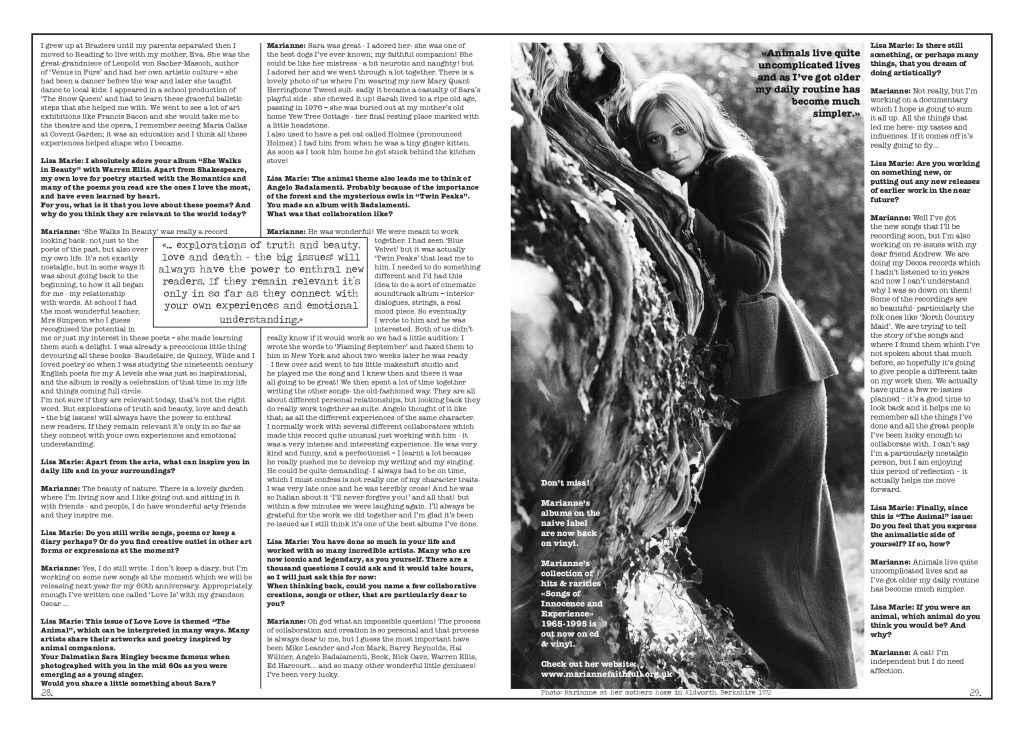
Don’t miss! Marianne’s albums on the naive label are now back on vinyl. Marianne’s collection of hits & rarities «Songs of Innocence and Experience» 1965-1995 is out now on cd & vinyl. Check out her website:
http://www.mariannefaithfull.org.uk
interview avec marianne faithfull – en français – par Lisa marie järlborn
C’est elle la belle blonde britannique de Hampstead qui est devenue célèbre à l’âge de 16 ans, en chantant la première chanson jamais composée par Mick Jagger et Keith Richards « As Tears Go By » et en en faisant un hit immortel. C’est elle «La Motocyclette», nue dans une combinaison de cuir noir, conduisant comme une folle. C’est elle qui crève l’écran alors qu’elle perce au cinéma en tant qu’actrice, avec un jeune et sexy Alain Delon complètement sous le charme. C’est elle la belle chanteuse à la voix mélodique qui ne peut s’empêcher d’accompagner l’invasion britannique des années 60 lorsqu’elle conquiert le monde. C’est elle la femme amoureuse de Mick Jagger des Rolling Stones et ensemble, ils forment le couple le plus marquant et le plus en vogue des années 60.
C’est elle aussi la vulnérable âme de poète qui se perd dans la dépendance et qui, pendant une grande partie des années 70, erre dans les rues, « à la recherche d’un angry fix », comme dirait Ginsberg. C’est elle qui repasse de l’autre côté et en revient plus forte, en sortant « Broken English » en 1979. C’est elle la voix de Lucy Jordan et la voix de la libération des femmes alors qu’elle chante la bande originale de « Thelma & Louise » de Ridley Scott. C’est elle qui va chercher Angelo Badalamenti pour faire un album avec lui après avoir vu Twin Peaks. C’est elle qui incarne Irina Palm et sa paume magique dans un fabuleux retour sur grand écran. C’est elle le nouveau creuset poétique des poètes romantiques de l’album surnaturel « She Walks In Beauty » avec Warren Ellis. C’est elle la queen de la contre-culture, une vraie beauté et une voix qui dépasse les frontières.
C’est elle Marianne Faithfull.
Cette année Marianne Faithfull célèbre 60 ans de carrière. Elle a collaboré avec des artistes tels que Nick Cave, Ed Harcourt et Beck, et maintenant elle a accepté de partager sa vie et ses pensées avec Love Love ! L’éditrice Lisa Marie a échangé avec Marianne, envoyant des questions depuis les rues grises de Paris, de l’autre côté du canal bleu, par-dessus les vertes collines anglaises, jusqu’à la ville des villes qu’est Londres. Et voici ce que Marianne avait à dire.
Lisa Marie : Qu’est-ce qui vous a propulsé pour la première fois vers les arts Marianne?
Marianne : Ma mère était danseuse donc je venais d’un milieu très arty. Il n’y a jamais eu de doute que j’allais me retrouver dans les arts. Même à l’époque, je lisais et écoutais beaucoup de musique – pas seulement les disques de mes parents, mais aussi ceux que je m’achetais ou que j’échangeais avec des amis et que nous allions écouter les uns chez les autres. Quand j’étais à l’école St Joseph, j’ai commencé à me produire dans des clubs folks locaux et j’ai rejoint la chorale. Je jouais dans des productions que les étudiants montaient avec l’école pour garçons voisine de Leighton Park et j’ai rejoint la troupe locale au théâtre Progress à Reading. Je pense que la première fois que j’ai chanté en public, c’était au Progress – c’était un spectacle étudiant et j’ai choisi de chanter cette chanson du music-hall édouardien « The Boy I love Is Sitting Up In The Gallery » ! Il a été chanté à l’origine par Marie Lloyd, l’une des reines du musical hall, mais il avait récemment été utilisé dans le film « The Entertainer ». Ce qui était bien, c’est que le public a vu mes talents comiques – on ne m’a pas souvent demandé de le mettre en scène ! Mais ça s’est très bien passé – c’est une chanson tellement géniale, et je pense que je savais déjà que d’une manière ou d’une autre, tout cela allait être ma vie.
Lisa Marie : Avez-vous d’abord découvert la poésie, la musique ou le théâtre ? Quelles œuvres d’art, ou autres choses, vous ont le plus influencé dès votre plus jeune âge ?
Marianne : Souvent, je trouve que ces choses se découvrent ensemble et qu’il est difficile de les séparer. J’ai toujours pensé que les arts sont connectés – nous pouvons clairement apprécier ce que nous voyons, ce que nous lisons ou ce que nous entendons – mais y a-t-il une autre dimension, supplémentaire, derrière cela? C’est comme ça que les différents médiums peuvent travailler ensemble.
À 13 ans, j’ai acheté un exemplaire d’occasion du « Golden Treasury of English Songs and Lyrics » de Palgrave – une anthologie populaire de la littérature anglaise, et cela m’a attiré vers beaucoup de poètes, mais mes deux parents étaient très brillants et ils avaient des lettres donc j’ai été exposée à beaucoup d’idées intéressantes dès mon plus jeune âge.
La grande affaire de mon père était Brazier’s Park. Il a fait un doctorat après la guerre et est devenu convaincu que la culture commune de l’art européen (il était très eurocentrique), sa littérature, sa philosophie et sa peinture pourrait d’une manière ou d’une autre créer une utopie qui sauverait la société de ses propres pulsions destructrices. Il a donc créé cette communauté, un collège pour adultes consacré à la littérature, aux grands penseurs et à ces idéaux utopiques. L’une des choses dont je me souviens de mon enfance est à quel point mon père était un excellent professeur et combien j’ai appris de lui. Il aimait beaucoup la poésie et traduisait des œuvres pour ses cours et pour son propre plaisir. L’amour de mon père pour l’écriture était contagieux et je me souviens encore de passages de Petrarch, Dante et Primo Levi qui comptaient tant pour lui.
J’ai grandi à Braziers jusqu’à ce que mes parents se séparent, puis j’ai déménagé à Reading pour vivre avec ma mère, Eva. Elle était l’arrière-petite-nièce de Leopold von Sacher-Masoch, l’auteur de « La Vénus à la fourrure » et elle avait sa propre culture artistique – elle avait été danseuse avant la guerre et plus tard, elle a enseigné la danse aux enfants du coin : j’ai joué dans une production scolaire de «La Reine des Neiges» et j’ai dû apprendre ces gracieux pas de ballet pour lesquels elle m’a aidé. Nous allions voir beaucoup d’expositions d’art comme Francis Bacon et elle m’emmenait au théâtre et à l’opéra, je me souviens avoir vu Maria Callas à Covent Garden ; c’était une éducation et je pense que toutes ces expériences ont contribué à façonner qui je suis devenue.
Lisa Marie : J’adore votre album « She Walks in Beauty » avec Warren Ellis. En dehors de Shakespeare, mon propre amour pour la poésie a commencé avec les romantiques et la plupart des poèmes que vous lisez sont ceux que j’aime le plus, et que j’ai même appris par cœur.
Pour vous, qu’est-ce qui vous plaisez dans ces poèmes ? Et pourquoi pensez-vous qu’ils sont pertinents pour le monde d’aujourd’hui ?
Marianne : « She Walks In Beauty » était vraiment un disque qui regarde en arrière – non seulement sur les poètes du passé, mais aussi sur ma propre vie. Ce n’est pas tout à fait nostalgique, mais d’une certaine manière, il s’agissait de revenir au début, à la façon dont tout a commencé pour moi : ma relation avec les mots. À l’école, j’avais une enseignante formidable, Mme Simpson, qui, je suppose, a reconnu mon potentiel ou simplement mon intérêt pour ces poètes – elle a fait de leur apprentissage un tel plaisir. J’étais déjà une petite chose précoce dévorant tous ces livres – Baudelaire, de Quincy, Wilde – et j’aimais la poésie, alors quand j’étudiais les poètes anglais du XIXe siècle pour mon baccalauréat, elle était tout simplement enthousiasmante, et l’album est vraiment une célébration de cette période de ma vie et la boucle est bouclée.
Je ne sais pas s’ils sont pertinents aujourd’hui, ce n’est pas le bon mot. Mais les explorations de la vérité et de la beauté, de l’amour et de la mort – les grandes questions ! – aura toujours le pouvoir de captiver de nouveaux lecteurs. S’ils restent pertinents, c’est seulement dans la mesure où ils sont liés à vos propres expériences et à votre compréhension émotionnelle.
Lisa Marie : En dehors des arts, qu’est-ce qui peut vous inspirer dans la vie quotidienne et dans votre entourage ?
Marianne : La beauté de la nature. Il y a un joli jardin où je vis maintenant et j’aime sortir et m’y asseoir avec des amis – et les gens, j’ai de merveilleux amis arty et ils m’inspirent.
Lisa Marie : Est-ce que vous écrivez encore des chansons, des poèmes ou tenez un journal peut-être ? Ou trouvez-vous actuellement un exutoire créatif dans d’autres formes ou expressions artistiques ?
Marianne : Oui, j’écris toujours. Je ne tiens pas de journal, mais je travaille actuellement sur de nouvelles chansons que nous sortirons l’année prochaine pour mon 60ème anniversaire comme artiste. À juste titre, j’en ai écrit une intitulée « Love Is » avec mon petit-fils Oscar…
Lisa Marie : Ce numéro de Love Love a pour thème « L’Animal », qui peut être interprété de plusieurs façons. De nombreux artistes partagent leurs œuvres et leur poésie inspirées des animaux.
Votre Dalmatien Sara Bingley est devenue célèbre lorsqu’elle a été photographiée avec vous au milieu des années 60, alors que vous deveniez une jeune chanteuse. Voudriez-vous partager un petit quelque chose sur Sara ?
Marianne : Sara était géniale – je l’adorais – c’était l’un des meilleurs chiens que j’ai jamais connu ; mon fidèle compagnon ! Elle pouvait être comme sa maîtresse : un peu névrosée et coquine ! mais je l’adorais et nous avons vécu beaucoup de choses ensemble. Il y a une jolie photo de nous où je porte mon nouveau costume Mary Quant Herringbone Tweed – malheureusement, c’est devenu une victime du côté joueuse de Sara – elle l’a complètement mâchouillé ! Sarah a vécu jusqu’à un âge avancé et est décédée en 1976 – elle a été enterrée dans l’ancienne maison de ma mère, Yew Tree Cottage – son dernier lieu de repos marqué d’une petite pierre tombale.
J’avais aussi un chat de compagnie appelé Holmes (prononcer Holmez) que j’ai eu quand il était un petit chaton roux. Dès que je l’eus ramené à la maison, il s’est retrouvé coincé derrière la cuisinière !
Lisa Marie : Le thème animalier me fait aussi penser à Angelo Badalamenti. Probablement à cause de l’importance de la forêt et des mystérieux hiboux de « Twin Peaks ».
Vous avez fait un album avec Badalamenti.
Comment s’est déroulée cette collaboration ?
Marianne : Il était merveilleux ! Nous étions faits pour travailler ensemble. J’avais vu « Blue Velvet » mais c’est en fait « Twin Peaks » qui m’a conduit vers lui. J’avais besoin de faire quelque chose de différent et j’avais eu cette idée de faire une sorte d’album de bande originale de cinéma – des dialogues intérieurs, des instruments à corde, une vraie pièce d’ambiance. Alors finalement je lui ai écrit et il était intéressé.
Nous ne savions pas vraiment tous les deux si cela fonctionnerait, alors nous avons passé une petite audition : j’ai écrit les paroles de « Flaming September » et je les lui ai faxées à New York et environ deux semaines plus tard, il était prêt – j’ai pris l’avion et je suis allée dans son petit studio de fortune et il m’a joué la chanson et j’ai su à ce moment-là que tout allait être génial ! Nous avons ensuite passé beaucoup de temps ensemble à écrire les autres chansons, à l’ancienne. Elles concernent toutes des relations personnelles différentes, mais avec le recul, cela fonctionne vraiment ensemble. Angelo le voyait ainsi ; comme toutes les différentes expériences d’un même personnage. Je travaille normalement avec plusieurs collaborateurs différents, ce qui a rendu ce disque assez inhabituel du fait de travailler seulement avec lui – ce fut une expérience très intense et intéressante. Il était très gentil, drôle et perfectionniste – j’ai beaucoup appris car il m’a vraiment poussé à développer mon écriture et mon chant. Il pouvait être assez exigeant – je devais toujours être à l’heure, ce qui, je dois l’avouer, ne fait pas vraiment partie de mes traits de caractère – j’étais très en retard une fois et il était terriblement en colère ! Et il était tellement italien à ce sujet : « Je ne te pardonnerai jamais ! » et tout ça ! mais au bout de quelques minutes, nous riions à nouveau. Je serai toujours reconnaissant pour le travail que nous avons fait ensemble et je suis heureude qu’il ait été réédité car je pense toujours que c’est l’un des meilleurs albums que j’ai fait.
Lisa Marie : Vous avez fait tellement de choses dans votre vie et travaillé avec tellement d’artistes incroyables. Beaucoup sont désormais emblématiques et légendaires, comme vous-même. Il y a mille questions que je pourrais poser et cela prendrait des heures, alors je vais juste poser celle-ci pour le moment :
En y repensant, pourriez-vous citer quelques créations collaboratives, chansons ou autres, qui vous sont particulièrement chères ?
Marianne : Oh mon Dieu, quelle question impossible ! Le processus de collaboration et de création est très personnel et ce processus m’est toujours cher, mais je suppose que les plus importants ont été Mike Leander et Jon Mark, Barry Reynolds, Hal Willner, Angelo Badalamenti, Beck, Nick Cave, Warren Ellis, Ed Harcourt… et tant d’autres merveilleux petits génies ! J’ai eu beaucoup de chance.
Lisa Marie : Y a-t-il encore quelque chose, ou peut-être beaucoup de choses, que vous rêvez de faire artistiquement ?
Marianne : Pas vraiment, mais je travaille sur un documentaire qui, j’espère, résumera tout cela. Toutes les choses qui m’ont amenée ici : mes goûts et mes influences. Si ça tombe, il va vraiment voler…
Lisa Marie : Travaillez-vous sur quelque chose de nouveau ou publiez-vous de nouvelles versions d’œuvres antérieures dans un avenir proche ?
Marianne : Eh bien, j’ai les nouvelles chansons que je vais bientôt enregistrer, mais je travaille aussi sur des rééditions avec mon cher ami Andrew. Nous travaillons sur mes disques Decca que je n’avais pas écoutés depuis des années et à les réécouter je ne comprends pas pourquoi j’étais si peu enthousiaste envers eux ! Certains enregistrements sont si beaux, en particulier les plus folk comme « North Country Maid ». Nous essayons de raconter l’histoire des chansons et l’endroit où je les ai trouvées, ce dont je n’ai pas beaucoup parlé auparavant, donc j’espère que cela donnera alors aux gens une vision différente de mon travail de l’époque. Nous avons en fait pas mal de rééditions prévues – c’est le bon moment pour regarder en arrière et cela m’aide à me souvenir de tout ce que j’ai fait et de toutes les personnes formidables avec qui j’ai eu la chance de collaborer. Je ne peux pas dire que je suis une personne particulièrement nostalgique, mais j’apprécie ce moment de réflexion, ça me fait effectivement avancer.
Lisa Marie : Enfin, puisqu’il s’agit du numéro « L’Animal » :
Avez-vous l’impression d’exprimer votre côté animal ? Si c’est le cas, comment?
Marianne : Les animaux vivent une vie assez simple et, à mesure que je vieillis, ma routine quotidienne est devenue beaucoup plus simple.
Lisa Marie : Si vous étiez un animal, quel animal pensez-vous que vous seriez ? Et pourquoi?
Marianne : Un chat ! Je suis indépendante mais j’ai besoin d’affection.
À NE PAS RATER! Les albums de Marianne sur le label naive sont de retour en vinyle. La collection de tubes & de raretés de Marianne «Songs of Innocence and Experience» 1965-1995 est maintenant disponible en cd & vinyle. Visitez le site de Marianne ici: www.mariannefaithfull.org.uk
 who's love love?